
In today’s competitive digital landscape, businesses must ensure that their products not only function well but also deliver a delightful and seamless user experience. UX Research plays a pivotal role in shaping this experience, influencing design decisions, and ensuring the success of digital products.
For companies aiming to meet customer expectations, investing in UX research is crucial. This blog explores how UX research contributes to the success of digital products, and why hiring UX designers can help create customer-centric designs that drive engagement and satisfaction. By hiring expert UX designers, you can ensure that your product meets user needs and achieves long-term success in the digital marketplace.

What is UX Research?
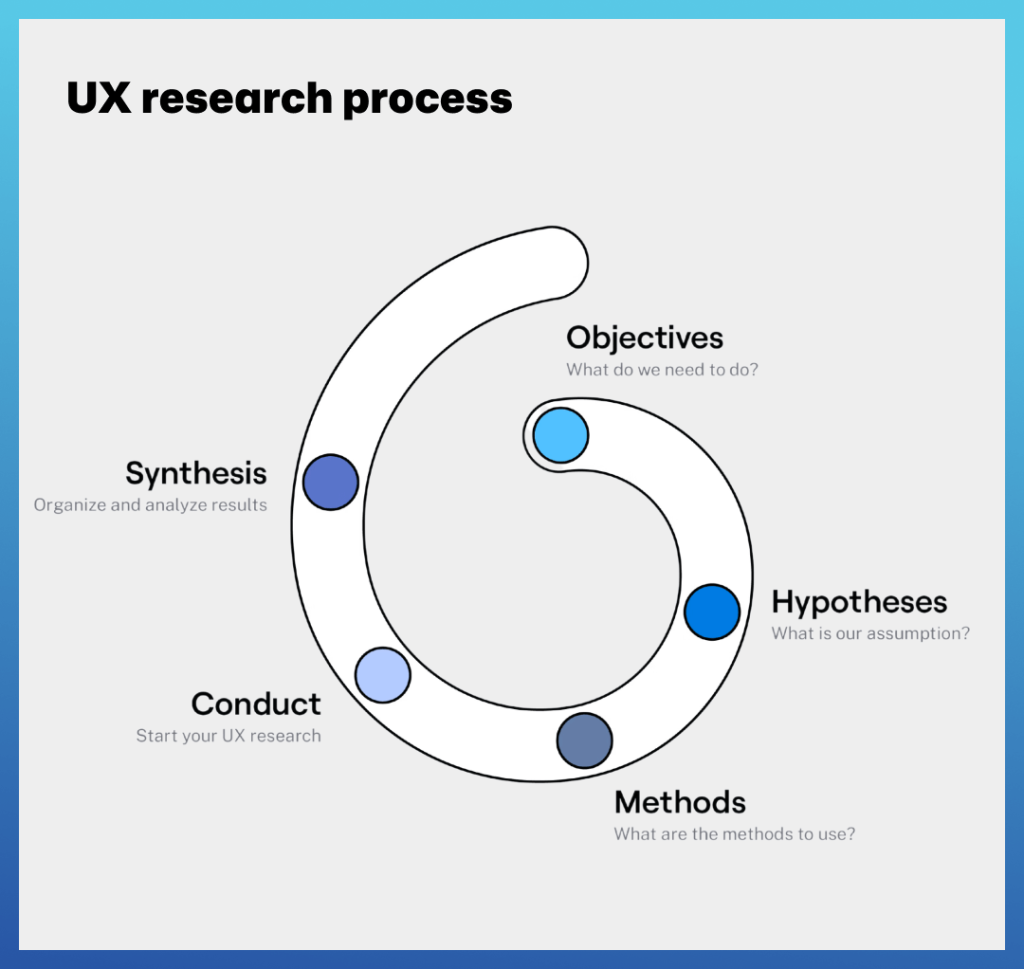
UX research is the practice of understanding users’ behaviors, needs, and motivations through various methods such as interviews, surveys, user testing, and data analysis. This research helps designers and developers understand the challenges users face and the opportunities to enhance the user experience.
By gathering insights into user needs and pain points, UX researchers ensure that the product design strategy aligns with real user requirements, making the product more effective and engaging. For businesses seeking top-notch user experiences, it is essential to hire UX designers who specialize in conducting comprehensive UX research to lay the foundation for successful product design.

How UX Research Influences Product Design
Effective UX research is the foundation of successful product design. By focusing on the user’s needs, pain points, and expectations, UX research drives every phase of the product design cycle. Below are the key ways UX research influences digital product success:
Identifying User Needs and Pain Points
One of the primary goals of UX research is to understand what users need from a product and identify the obstacles they encounter. This understanding allows designers to create products that effectively address those needs, resulting in higher user satisfaction and retention. If you’re planning to take your product to the next level, it’s essential to hire UX designers who can dive deep into user needs and create solutions that align with these insights.
Validating Design Decisions
Designers can validate their design choices by conducting usability tests and gathering feedback from real users. This ensures that the design decisions align with user preferences, leading to a smoother and more intuitive experience. When you hire UX designers, they can guide you through this critical phase, ensuring your design choices are informed and optimized for success.
Improving Usability
Through UX research, designers gain insights into how users interact with a product, revealing areas where usability can be improved. This might include simplifying navigation, reducing loading times, or refining the product’s visual elements. The value of hiring UX designers becomes evident when their expertise leads to enhanced usability and a more seamless user experience.
Fostering User Engagement
Research helps design features that resonate with users, fostering a connection between the product and the end user. Engaged users are more likely to return to the product and recommend it to others. To ensure your product fosters engagement, it’s crucial to hire UX designers who understand the nuances of building interactive and captivating user experiences.
The Importance of Customer-Centric Design
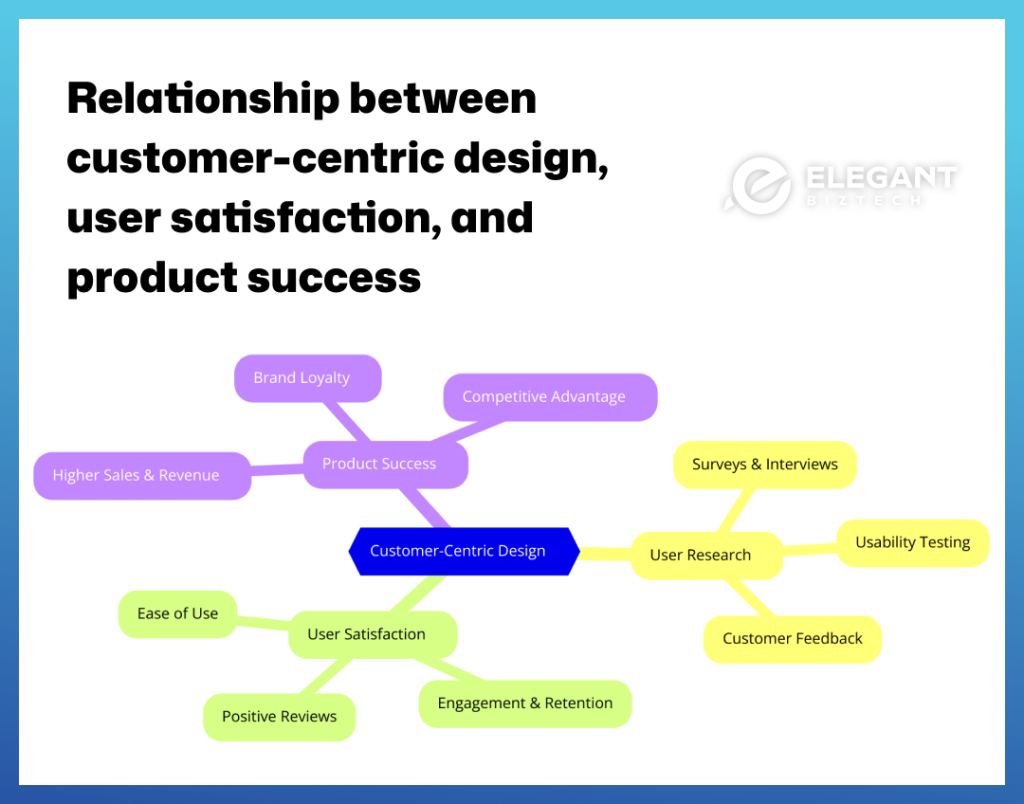
At the heart of UX research is creating a customer-centric design. A product that prioritizes the needs and desires of its users is more likely to succeed in the market. Here’s why focusing on the customer experience is so important:
- Increased Customer Satisfaction: When users feel understood and see that their pain points are addressed, they are more likely to be satisfied with the product.
- Higher Conversion Rates: A seamless, intuitive experience leads to higher conversion rates and user retention.
- Competitive Advantage: A product that delivers an exceptional user experience stands out in a crowded market.
By hiring UX designers who specialize in customer-centric design, companies ensure that their products are not only functional but also delightful to use, leading to a more significant return on investment.
UX Trends to Watch in 2025
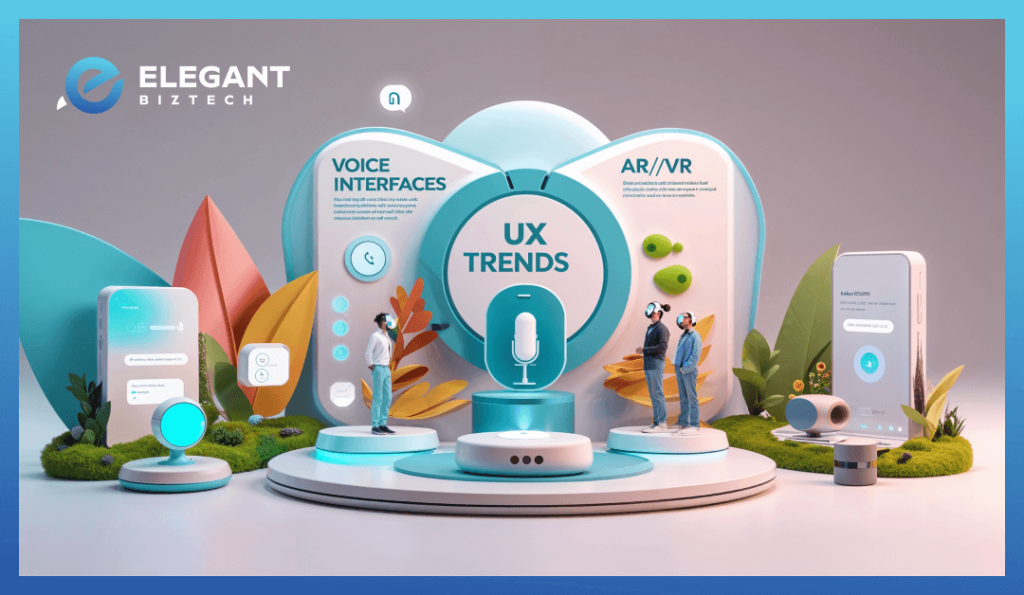
As the digital landscape evolves, UX trends continue to shape the way users interact with digital products. Some of the key UX trends to watch in 2025 include:
Voice User Interface (VUI)
With the rise of voice assistants, VUI is becoming a significant trend. Designing voice-enabled interfaces will require UX researchers to understand how users interact with voice technology.
Personalized Experiences
Personalization is key to keeping users engaged. By leveraging data and insights from UX research, designers can create highly personalized experiences that meet the unique needs of individual users. Hiring UX designers who can integrate personalization effectively will keep your product competitive in an ever-evolving market.
Augmented Reality (AR) and Virtual Reality (VR)
AR and VR are expected to gain more traction in user experiences. UX designers will need to adapt their research methods to accommodate these immersive technologies.
Sustainability in Design
As users become more environmentally conscious, designing sustainable digital products will become more important. UX researchers will need to understand how to incorporate eco-friendly principles into the design process.
Why Hiring UX Designers is Essential
Hiring specialized UX designers is crucial for ensuring the success of your digital product. Here’s why:
- Expertise in User Research: UX designers are skilled in conducting thorough UX research to uncover valuable insights that can enhance your product.
- Designing for Real Users: They ensure that designs are grounded in real user needs, not just assumptions.
- Iterative Process: UX designers work through iterative testing and refinement to continuously improve the user experience.
- Alignment with Business Goals: A good UX designer ensures that user needs align with business objectives, leading to a product that drives success on both ends.
By hiring UX designers, you’re investing in the long-term success of your digital products, ensuring that every design decision is backed by thorough research and a deep understanding of your users.

Conclusion
UX research is more than just a part of the design process—it’s a critical component of achieving digital product success. By gaining insights into user behavior and needs, UX research enables companies to create products that truly resonate with their audience, driving engagement and satisfaction.
For product managers, startups, and enterprises, investing in UX research and hiring UX designers who specialize in customer-centric design can make all the difference in building a product that not only meets but exceeds user expectations. So, if you’re ready to enhance your digital product’s success, it’s time to hire UX designers who can deliver outstanding user experiences.

FAQs (Frequently Asked Questions)
Q1. Why is UX research important for digital product success?
A: UX research provides insights into user needs, pain points, and preferences, ensuring the product is designed to meet those requirements, ultimately leading to higher satisfaction and success.
Q2. How does customer-centric design impact user engagement?
A: A customer-centric design makes users feel valued by addressing their needs and preferences, fostering engagement, and increasing retention rates.
Q3. What are the latest UX trends for 2025?
A: Some key UX trends to watch include voice user interfaces, personalized experiences, AR/VR integration, and sustainability in design.
Q4. How can hiring UX designers improve my product?
A: Hiring UX designers ensures that your product is designed based on real user insights, resulting in a more intuitive, engaging, and successful product.
Q5. What are the main methods of UX research?
A: The primary methods include user interviews, surveys, usability testing, and data analysis. These methods help gather feedback and improve the user experience.