Introduction
In today’s fast-paced, competitive market, businesses must find efficient ways to deliver mobile apps quickly, cost-effectively, and with a high level of functionality. Traditional development methods are often slow, costly, and require a deep level of coding expertise. Enter FlutterFlow—a powerful no-code platform that enables businesses to build scalable and interactive mobile applications without needing a traditional development team.
This blog will explain why FlutterFlow is revolutionizing app development, how it compares to other development approaches, and why hiring FlutterFlow developers is a smart move in 2025 for businesses aiming to stay ahead of the curve. We’ll also dive into real-world case studies, trends, data-driven insights, and provide visual comparisons through graphs and tables to make the case for FlutterFlow even stronger.
1. What is FlutterFlow and How Does It Work?
FlutterFlow is a no-code app development platform built on top of Google’s Flutter framework, offering a streamlined and visually interactive development experience. Unlike traditional app development, which requires deep programming knowledge, FlutterFlow simplifies the process using a drag-and-drop interface.
Key Features of FlutterFlow:
- Drag-and-drop UI Builder: Easily design mobile interfaces with customizable widgets.
- Firebase Integration: Build real-time databases, user authentication, and push notifications with Firebase, directly within the platform.
- Custom Code Export: While FlutterFlow simplifies the process, developers can export clean, readable code and make custom adjustments if necessary.
- Real-Time Testing: See the app in action as you build it—streamlining the feedback process.

2. The Rise of No-Code App Development
The demand for no-code app development is skyrocketing, as businesses seek faster, more cost-effective ways to bring mobile applications to market. According to industry reports:
- Gartner predicts the no-code development market will reach $21 billion by 2025.
- Forrester Research indicates that over 80% of startups and SMBs are adopting no-code tools to create apps and MVPs, a trend accelerated by the global shift towards digitalization.
The need for rapid app development, particularly for startups and small businesses, has made no-code platforms like FlutterFlow extremely popular.
Benefits of No-Code Development:
- Speed: Develop apps in weeks instead of months. A FlutterFlow project can go from concept to launch significantly faster than traditional development.
- Cost-Effective: Save on expensive developer salaries and reduce operational costs.
- Accessibility: Non-developers can build apps, giving businesses more control over their projects.

3. Why Hire FlutterFlow Developers?
While FlutterFlow is a user-friendly platform, hiring a dedicated FlutterFlow developer brings substantial benefits. These experts can ensure that businesses fully leverage the platform’s capabilities while mitigating any challenges that might arise.
Why Professionals Are Needed:
- Customization: Advanced FlutterFlow developers can create complex, custom features that go beyond the platform’s default widgets.
- Scalability: Professional developers ensure that your app is built with scalability in mind, preventing performance bottlenecks as the user base grows.
- Optimization: FlutterFlow developers help streamline the app for performance, ensuring fast load times, smooth animations, and efficient code.
- Security: Ensuring your app is secure from vulnerabilities is crucial. FlutterFlow developers implement best practices for data security, authentication, and authorization.
Real-World Example: A fintech startup used FlutterFlow to create an MVP for a payment app, reducing development costs by 40% and cutting time to market by 50%. They hired a FlutterFlow developer who helped integrate custom security features and optimized the app for mobile performance.
4. FlutterFlow vs. Traditional Development: A Real-World Comparison
When comparing FlutterFlow to traditional development, the differences in speed, cost, and flexibility are significant.
| Criteria | FlutterFlow (No-Code) | Traditional Development |
| Development Time | 2-4 weeks | 3-6 months |
| Cost | $5,000 – $15,000 | $50,000 – $200,000 |
| Customization | Limited (with code export) | Fully customizable |
| Maintenance | Easy (with real-time updates) | Ongoing developer support required |
| Ease of Use | Simple for non-developers | Requires skilled developers |
5. How FlutterFlow Enables Scalable Apps
Scalability is one of the primary concerns for any growing business, and FlutterFlow has built-in features that ensure apps can handle increased demand as your business grows.
Scalability Factors in FlutterFlow:
- Firebase Integration: Firebase supports scalable back-end solutions, making it easy to handle thousands of users and real-time data.
- Cross-Platform Development: FlutterFlow enables building apps for iOS and Android with a single codebase, saving time and resources.
- Performance Optimization: FlutterFlow’s ability to export code ensures that developers can optimize and scale the app if needed.
Real-World Data: A study by Statista shows that the number of mobile app downloads worldwide reached over 250 billion in 2023, indicating a rapidly expanding user base for mobile apps. FlutterFlow’s cross-platform development and Firebase integration make it a robust solution for businesses aiming to scale.
6. Common Concerns in No-Code Platforms and How FlutterFlow Solves Them
Some businesses are hesitant to embrace no-code platforms due to common concerns around security, performance, and flexibility. However, FlutterFlow addresses these concerns with features that ensure quality, security, and customizability.
Common Concerns:
- Security: No-code platforms sometimes struggle with securing sensitive data. However, FlutterFlow integrates with Firebase Authentication and offers data encryption to ensure app security.
- Performance: Many no-code apps face performance issues, particularly with complex features. However, FlutterFlow developers can fine-tune the app’s performance and optimize the underlying code.
Customization: Some businesses worry that no-code platforms lack flexibility. While FlutterFlow offers many pre-built components, the ability to export code provides developers the flexibility to create custom solutions.

7. Top Use Cases for FlutterFlow
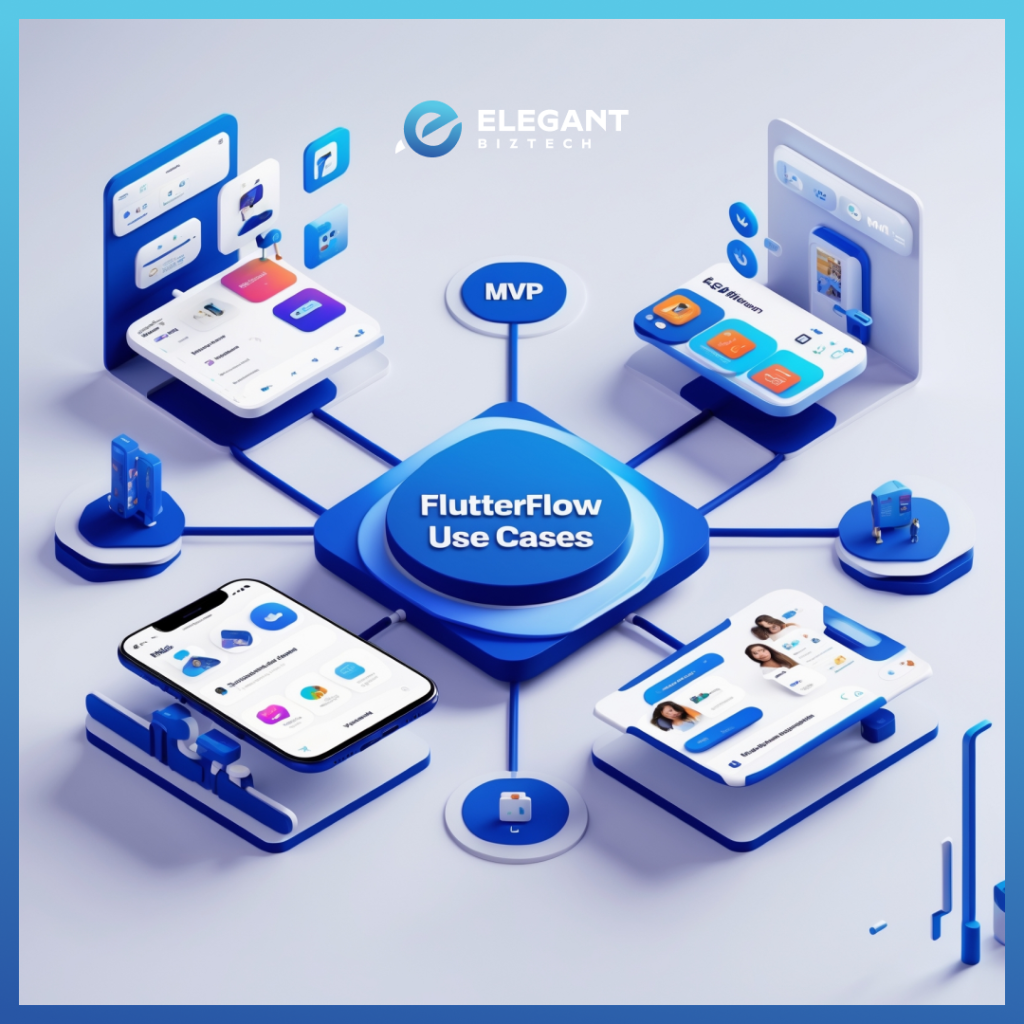
FlutterFlow is versatile and can be used across various industries for different types of mobile apps. Below are some of the top use cases for FlutterFlow-based apps:
1. MVP Development
For startups, FlutterFlow is ideal for building MVPs quickly and cost-effectively. It allows entrepreneurs to bring their ideas to market in a fraction of the time compared to traditional development methods.
2. E-commerce Apps
FlutterFlow supports the creation of e-commerce platforms with features like product catalogs, payment integrations, and user authentication.
3. Education Apps
Educational institutions can use FlutterFlow to develop interactive learning platforms that support video lectures, quizzes, and real-time communication.
4. Healthcare Apps
FlutterFlow can be used to build telemedicine platforms, appointment booking systems, and patient management solutions.
8. How FlutterFlow Developers Are Shaping the Future of App Development
FlutterFlow developers are not only enhancing the functionality of apps but are also pushing the boundaries of what’s possible with no-code tools. The following trends will shape the future of app development:
- Hybrid Development Models: Combining no-code solutions with custom code to leverage the strengths of both.
- AI-Powered Development: AI tools integrated into no-code platforms will automate certain aspects of development, allowing developers to focus on creative and complex tasks.
- Blockchain Integration: FlutterFlow will likely see more integration with blockchain technologies for secure transactions, especially in finance and e-commerce apps.
Data Insight:
- 80% of enterprises are expected to adopt no-code/low-code solutions by 2026, according to Gartner’s 2023 report.
- The average productivity increase for companies using no-code platforms is estimated to be 40% higher than traditional coding methods.
Conclusion
FlutterFlow is changing the game for businesses looking to rapidly build, scale, and customize their mobile apps. By leveraging the power of no-code development, businesses can significantly reduce the cost and time of app development while still delivering high-quality, scalable apps. Hiring FlutterFlow developers ensures that businesses are utilizing the platform to its full potential, building apps that meet their needs without compromising on performance or functionality.
As the demand for quick, scalable app development continues to rise, FlutterFlow is set to be a pivotal player in the app development landscape. Businesses looking to stay ahead of the curve should consider embracing FlutterFlow and its dedicated developers to ensure long-term success.
FAQs
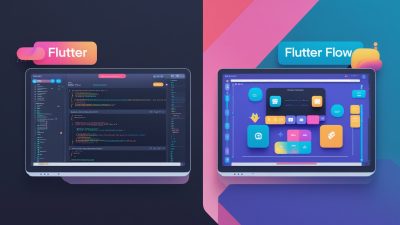
- What is the difference between FlutterFlow and Flutter? FlutterFlow is a no-code platform built on Flutter, allowing users to create apps visually. Flutter, on the other hand, requires developers to write code.
- Can I use FlutterFlow for large-scale enterprise apps? Yes, FlutterFlow is suitable for building scalable enterprise apps, particularly when combined with professional FlutterFlow developers.
- Is FlutterFlow suitable for both iOS and Android apps? Yes, FlutterFlow supports cross-platform app development, allowing you to build apps for both iOS and Android.