Introduction
The Android app development landscape is evolving rapidly, and staying updated with the latest trends is essential for businesses to remain competitive. From advanced AI capabilities to Kotlin’s growing dominance, 2025 is shaping up to be a pivotal year for Android development. In this blog, we’ll explore key trends, their significance, and why hiring skilled Android developers is crucial for crafting cutting-edge, high-performing apps.
1. The Rise of Artificial Intelligence in Android Apps
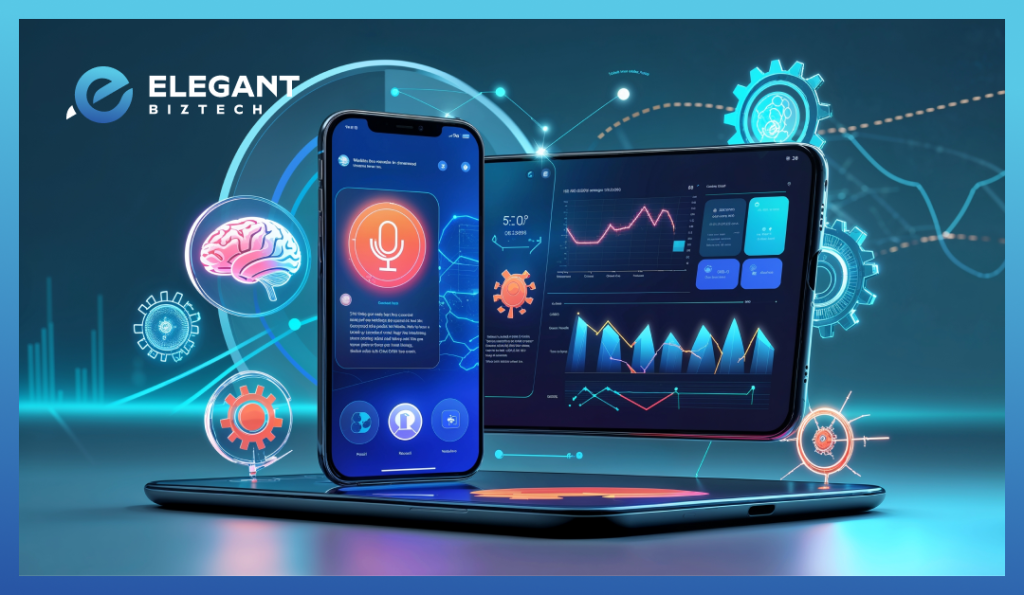
AI integration is no longer optional in modern app development—it’s a necessity. Businesses are leveraging AI to provide personalized user experiences, predictive analytics, and intelligent automation.
- Applications of AI in Android Development:
- Chatbots and Virtual Assistants: Apps increasingly include AI-powered chatbots to handle customer queries efficiently.
- Predictive Recommendations: E-commerce and streaming apps are using AI for tailored product or content suggestions.
- Image and Voice Recognition: Industries like healthcare and fintech rely on AI to simplify authentication and enhance accessibility.
Why It Matters: AI capabilities ensure that your app remains relevant and engaging by aligning with user expectations.
2. Kotlin: The Dominant Language for Android Development
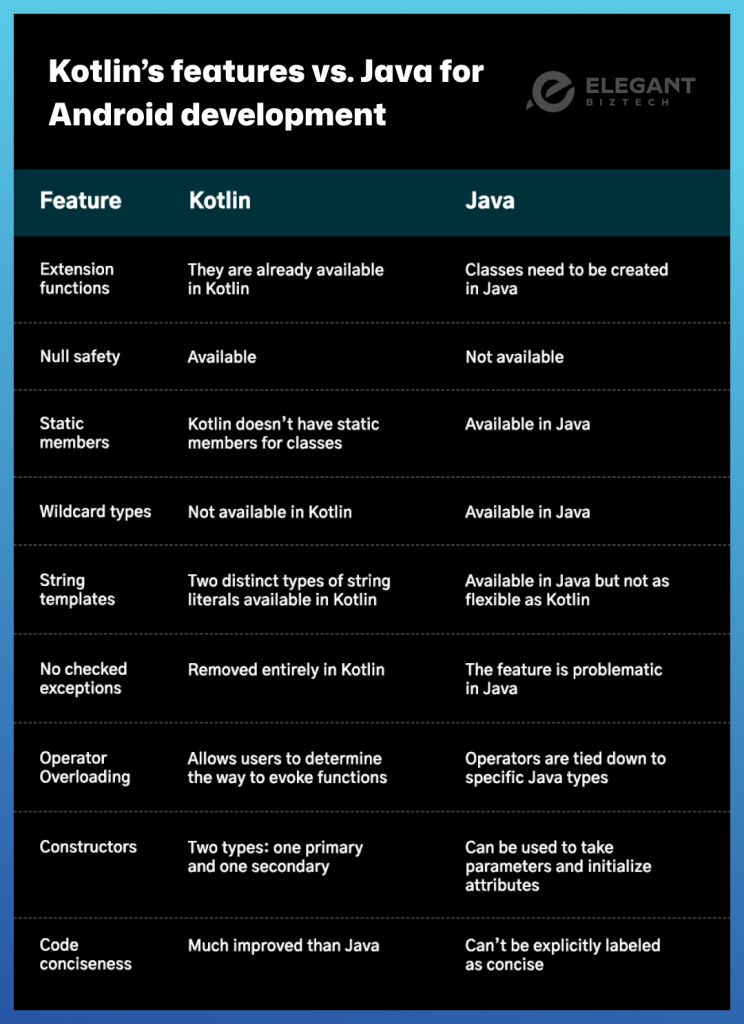
Since Google declared Kotlin its preferred language for Android app development, its popularity has skyrocketed.
- Advantages of Kotlin:
- Concise syntax that reduces boilerplate code.
- Enhanced null safety to minimize runtime crashes.
- Interoperability with Java, making it easy for developers to integrate existing codebases.
Why It Matters: Kotlin empowers developers to build reliable, maintainable, and scalable Android apps efficiently.
3. 5G Technology: Unlocking New App Capabilities
The rollout of 5G is revolutionizing the possibilities for Android app development, enabling faster data transfer speeds and lower latency.
- Impact on Android Apps:
- Enhanced Streaming Experiences: Apps can support higher-quality video and AR/VR content without buffering.
- IoT Integration: Faster connections enable seamless communication between IoT devices.
- Real-Time Interactions: Multiplayer gaming and live collaboration apps will thrive.
Why It Matters: Businesses need to optimize their apps for 5G networks to deliver superior performance and user satisfaction.

4. The Push for Super Apps
Super apps, which combine multiple functionalities into a single platform, are gaining traction in 2025. Inspired by platforms like WeChat, these apps provide users with one-stop solutions for messaging, payments, shopping, and more.
- Examples of Super App Features:
- Payment gateways for seamless transactions.
- Integrated shopping carts and product catalogs.
- Social features like messaging and community forums.
Why It Matters: Businesses that invest in super apps can capture diverse user needs, driving engagement and revenue.
5. Green App Development for Sustainability
Sustainability is no longer a buzzword; it’s a business imperative. Android app developers are prioritizing green development practices to reduce energy consumption and environmental impact.
- Trends in Sustainable Development:
- Code optimization for energy efficiency.
- Features that promote eco-conscious behavior, such as carbon footprint calculators.
- Collaboration with hardware manufacturers to minimize device energy usage.
Why It Matters: Green apps resonate with environmentally conscious users and help businesses demonstrate corporate responsibility.
6. Cloud-Based Android Apps for Scalability
Cloud computing continues to be a game-changer for scalable app development. By leveraging the cloud, Android apps can handle large-scale operations while ensuring seamless user experiences.
- Benefits of Cloud-Based Apps:
- Effortless data storage and synchronization.
- Improved app performance with backend-as-a-service (BaaS) solutions.
- Reduced infrastructure costs for businesses.
Why It Matters: Cloud-based apps provide the flexibility and scalability required to meet growing user demands.
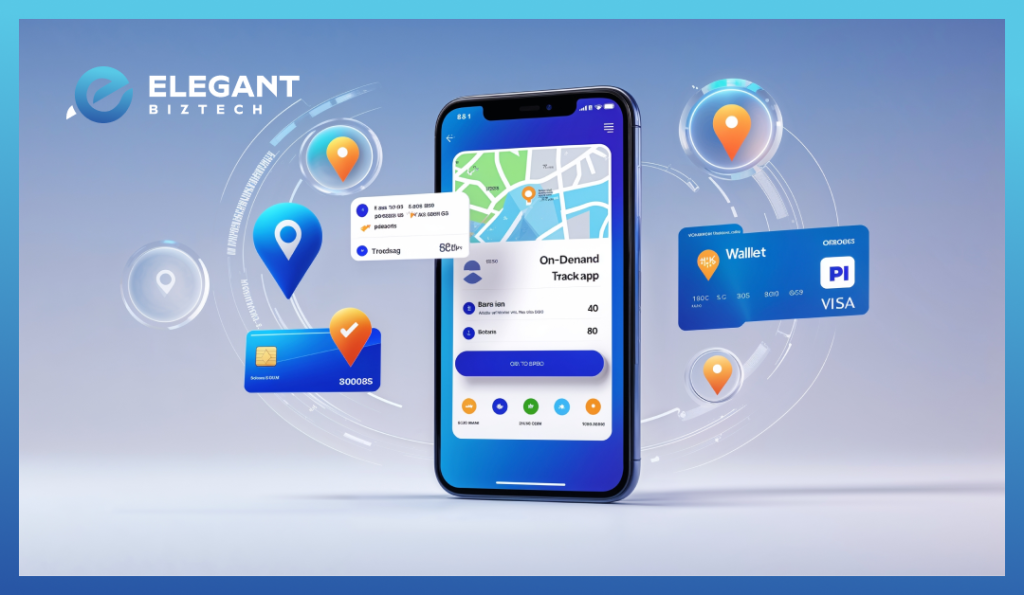
7. On-Demand Apps: Catering to Instant Gratification
The on-demand economy continues to flourish, with apps for food delivery, transportation, and home services leading the way.
- Key Features of On-Demand Apps:
- Real-time tracking and status updates.
- Integration with multiple payment options.
- User-friendly interfaces for hassle-free navigation.
Why It Matters: Businesses must capitalize on this trend by building apps that fulfill user needs instantly and efficiently.
8. AR and VR Experiences in Android Apps
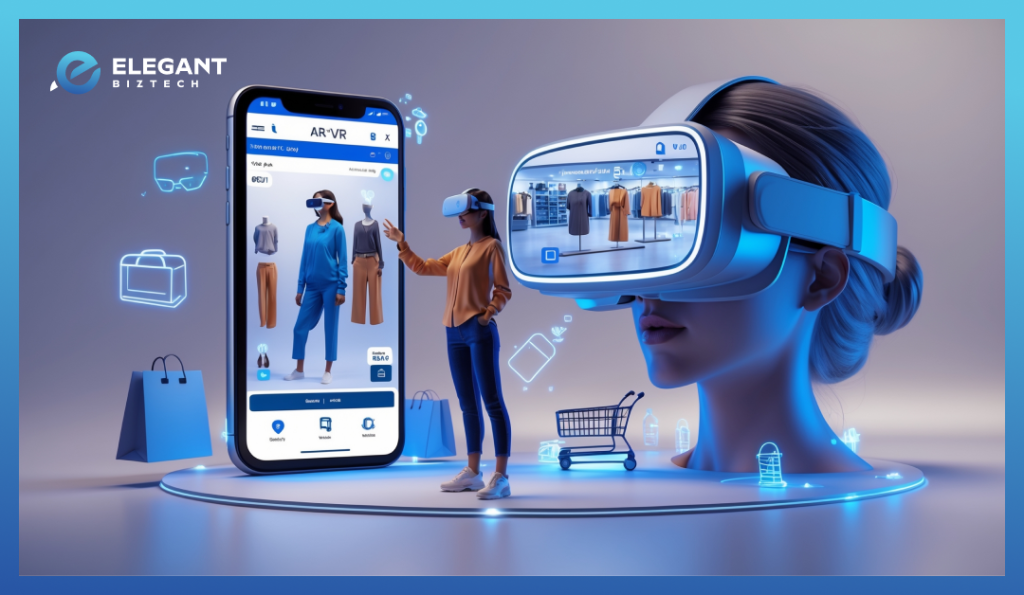
Augmented Reality (AR) and Virtual Reality (VR) are transforming Android apps into immersive platforms. From gaming to education, AR/VR is reshaping user engagement.
- Industries Leveraging AR/VR:
- Retail: Virtual try-ons for clothing and accessories.
- Healthcare: VR-based training simulations for medical professionals.
- Education: Interactive learning environments powered by AR.
Why It Matters: AR/VR adoption sets businesses apart by creating unforgettable user experiences.
FAQs
1. Why is Kotlin preferred for Android app development in 2025?
Kotlin’s concise syntax, null safety, and seamless interoperability with Java make it the preferred language for efficient and reliable Android app development.
2. What are the benefits of integrating AI into Android apps?
AI enhances user experience through personalization, predictive analytics, and intelligent automation, making apps more engaging and relevant.
3. How does 5G impact Android app performance?
5G enables faster data transfers, reduced latency, and seamless IoT integration, resulting in superior app performance and real-time interactions.
4. What industries benefit the most from AR/VR in Android apps?
Industries like retail, healthcare, and education benefit significantly from AR/VR by offering immersive and interactive user experiences.5. Why should businesses hire Android developers in 2025?
Experienced Android developers ensure that apps align with the latest trends, provide top-notch security, and meet the unique needs of the target audience.
Conclusion
The Android app development landscape in 2025 is brimming with opportunities for businesses ready to innovate. From leveraging AI and Kotlin to embracing super apps and 5G technology, staying ahead of the curve is essential. By hiring skilled Android developers, businesses can ensure their apps remain competitive, scalable, and user-centric.